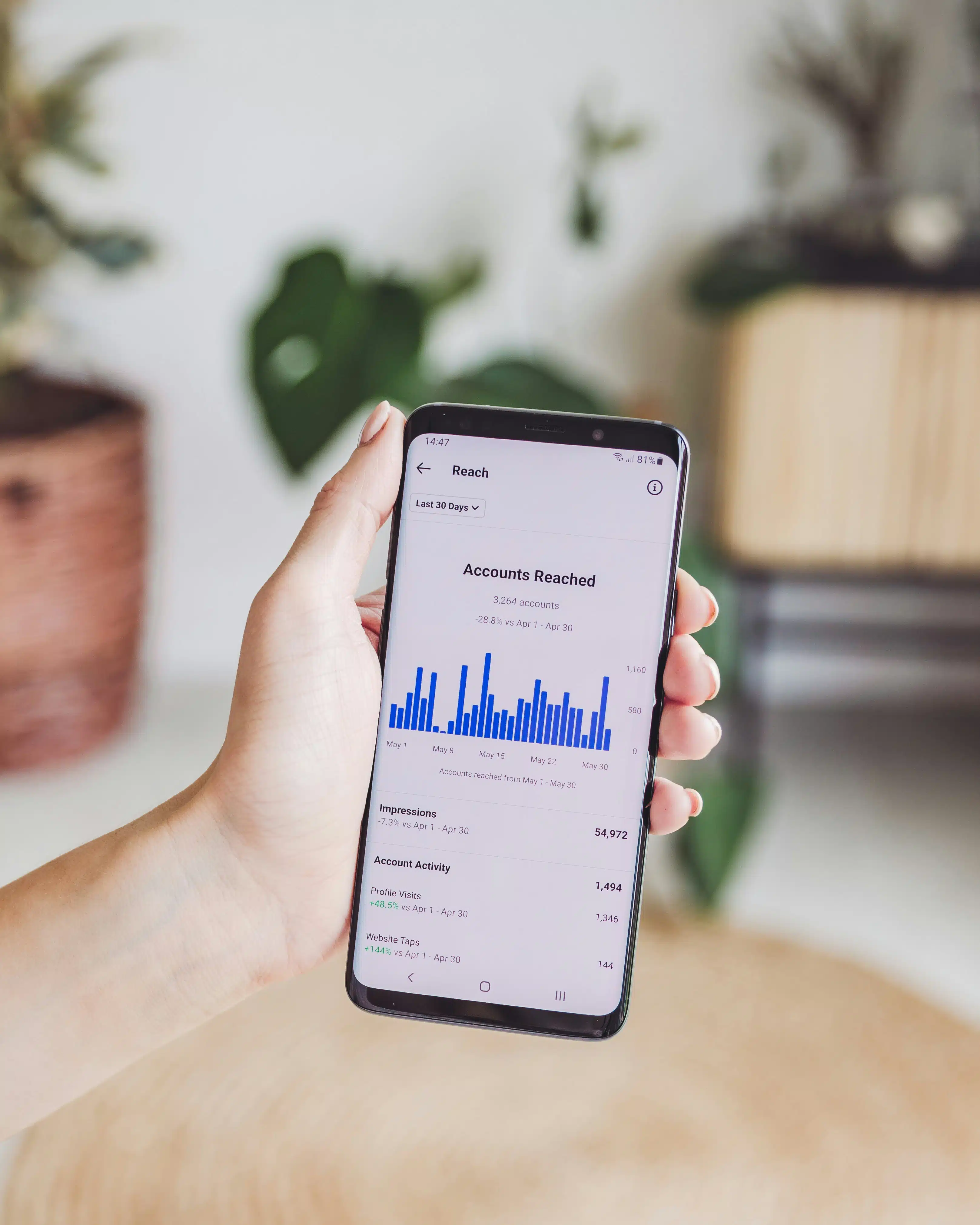
A big following looks good on screen. But if nobody’s saving, sharing, or engaging with your content, how much impact are those numbers really having on your business?
For years, social media was measured by a familiar scoreboard: followers, likes, comments and views. The higher the reach, the better your performance appeared. However, the rise in private interactions, such as shares and direct messaging, is changing how we should measure social success. This shifts the focus to how people engage with your content and whether your audience finds it valuable enough to take action.
Here’s what you need to know now to improve your social media presence.
The numbers that look good vs. the ones that pay off
If your goal is to convert, then 5,000 followers who care about your brand will outperform a brand with 50,000 who rarely show interest or engagement. Reach tells you how many people have seen your content; it does not tell you what they did next. Did they like it, share it, save it, or simply scroll past? To understand if your content is relevant to your audience and encourages action, keep a close eye on engagement metrics and whether people interacted with it.
Likes, views and follower counts might be encouraging for your brand to see; they don’t always tell you much about what’s working or whether they are delivering meaningful results for your business.
Metric | What it tells you | What to measure |
Reach and awareness | Measures visibility: how many people are seeing your content/brand? | Reach, impressions, views, follower growth |
Engagement quality | Indicates audience interest. This metric goes deeper to show how people interacted and what resonated (and could help influence future content styles or topics) | Saves, shares, comments, DMs, engagement rate |
Conversions | Shows whether those interactions are driving meaningful action and contributing to your business goals | Website enquiries, leads, sign-ups, purchases, conversion rate |
The scoreboard is changing, and it’s important to focus on the metrics that matter – knowing which to track, what they tell you and how they connect to your business goals.
The real engagement is happening where you can’t see it
What surprises most is that the best engagement now happens in “private”. Saves, shares and DMs are the new currency, and often none of it shows up in your view count.
A save means someone wants to come back to it later.
A share means they’ll put their own name behind your content.
And a DM is about as close to a real conversation as social gets.
A post with 200 likes and five genuine DMs is now worth far more than 2,000 likes and silence. Public engagement is flattening, and most brands are only measuring the half that’s falling.
According to the DesignRush 2026 survey, 57 per cent of marketers see shares as a strong indicator of useful content, while 48 per cent associate saves with relevance and value. This is because these interactions offer a clearer picture of what resonates with their audience and what should be a focus in a social strategy.
What brands need to look at
If followers aren’t as important as before, then how do you track what content is working? Honestly, it’s what’s harder to screenshot: engagement quality, conversions, whether the content is doing its job and the return it brings in. A post with 100 saves, for example, does more for you than one with 500 likes.
This means changing what you post and not only how you measure it. The 80/20 rule is a good and simple guide where around 80% of your content should give your audience something of value.
This can look like:
- a helpful tip
- entertaining and relatable content, or
- a useful idea
Only about 20 per cent of your content should ask for or sell something. When you start showing the benefit of your product and the people behind the work, for example, trust will grow. Relatability and authenticity can lead to a greater impact than reach alone.
Especially with the rise of AI, audiences will relate more to content that feels like a person made it, not a brand pushing its product. If you’re weighing up who should make that content, our guide on UGC vs influencer marketing is a good next read.
Show up consistently, with a plan behind it
One thing that hasn’t changed is consistency, because it keeps you visible and the algorithm interested. But activity without direction just makes noise. The brands getting real value track the right metrics, tie them to actual goals and use them to decide what to make next. That’s where using your data to strengthen your social strategy comes in.
There’s a bonus too. The same useful, consistent content that creates trust with people also helps you show up in AI answers, because tools like ChatGPT tend to surface brands with a clear and active presence. Good social media marketing now works for your audience and the machines helping them choose. Social platforms including LinkedIn, Instagram, YouTube, Reddit and TikTok are increasingly being used as search engines, with users actively looking for recommendations, reviews, answers and advice. This means your content should be optimised for discoverability, because getting found is one thing, but what people do once they’ve found you is where engagement quality comes into play.
If your social engagements have plateaued, it might be time for a fresh set of eyes. Let’s chat.